
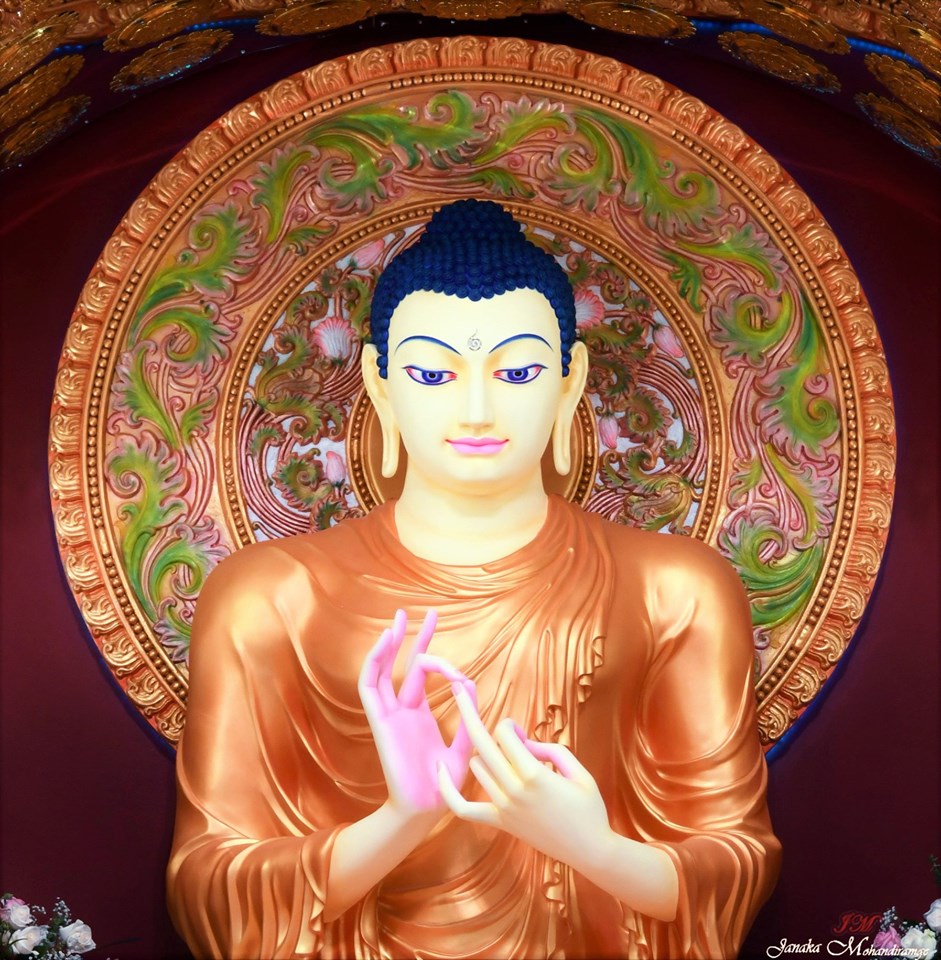
We extend a warm invitation for all to join us in this spiritual practice.
An Invitation to Visit the Saṅgha — Meditation & Pāli Chanting for Harmony and Connection
In the peaceful atmosphere of our monastery, we welcome friends from near and far to join the Saṅgha — the community of monks — for meditation and chanting. This is more than simply attending an event; it is an opportunity to share in the living tradition of the Buddha’s path, to cultivate peace in the heart, and to weave bonds of harmony between monastic and lay communities.
Why Chanting Matters
Chanting is a living expression of the Dhamma. When we chant together, our voices move in unison, creating a shared rhythm of body, speech, and mind. The sound becomes more than just words; it becomes a field of energy that uplifts the mind, calms the heart, and focuses attention.
In the Buddha’s time, chanting was the way the Dhamma was preserved and transmitted. Before books and printing, disciples learned the teachings through reciting together, word for word, tone for tone. Even today, when we chant the same verses that were once on the Buddha’s lips, we are participating in an unbroken stream of devotion and wisdom reaching back 2,600 years.
The Power of Pāli — Sacred Language of the Theravāda Tradition
The chants are preserved in Pāli, the language used to record the earliest teachings of the Buddha in the Theravāda tradition. Pāli is not an everyday spoken language; it is a sacred vessel, carefully preserved to carry the exact words of the Blessed One across centuries and cultures.
Chanting in Pāli is like entering into a meditative bridge between the present moment and the Buddha’s timeless wisdom. Even if you do not yet know the meaning of every word, the sound and rhythm themselves have a purifying quality, drawing the mind away from distractions and towards serenity.
Connecting Saṅgha and Lay Community
The Saṅgha and the lay community support each other as two halves of one whole. Monastics dedicate their lives to meditation, study, and living by the Vinaya discipline, while lay friends offer material support — food, clothing, shelter, and medicine — and in return receive spiritual nourishment.
When we chant together, these two communities unite in a shared act of devotion. The lay practitioners are not outsiders looking in; they are active participants in sustaining the Dhamma. Chanting is a shared heartbeat — one that affirms our common aspiration for liberation and compassion for all beings.
Meditation — The Silent Companion to Chanting
After chanting, the mind is naturally quiet, steady, and ready for meditation. In meditation, we turn inward, observing breath, body, feelings, and mind with mindful awareness. Together, chanting and meditation create a complete spiritual practice — sound leading into silence, movement leading into stillness.
You Are Welcome
Whether you are new to Buddhism or a long-time practitioner, you are welcome to come and experience this ancient tradition for yourself. No prior knowledge of Pāli or meditation is necessary; the Saṅgha will guide you.
Join us to:
- Chant in Pāli — connect to the Buddha’s words in their original form.
- Meditate in silence — cultivate peace and clarity in your own heart.
- Build community — strengthen the bridge between monastics and lay friends.
Together, we sustain the living flame of the Dhamma.
May all who come find peace, wisdom, and the joy of shared practice.
Homage, Tisarana 礼敬佛陀 三皈依
Ratanattayanussati 三宝随念
Observation of the Five Precepts 五戒
Observation of the Eight Precepts 八戒
Mettha Bhāvanā – Loving Kindness Meditation 慈爱
Ratana Sutta • The Jewel Discourse 宝经
Download our Chanting Book:

The Vandanā Chanting Book is now available for purchase on Amazon. Obtain a print copy for yourself to join our chanting event. Consider purchasing an additional copy to contribute to our meditation center and accrue merit.

Video: Buddha Vandana Pali Chanting
Video: Ratana Sutta Pali Chanting
Pāli is the liturgical language of Theravada Buddhism. An ancient, colloquial relative of Sanskrit. The Pali Canon is a record of the historical Gautama Buddha’s teachings. Chanting the Pāli suttas is still as close as we can get to hearing the Buddha’s original voice.
The practice of Pali chanting offers a multitude of benefits that extend to physical, mental, and spiritual well-being. Some of the key advantages include:
Physical Benefits
- Relaxation: The rhythmic nature of chanting can induce a state of relaxation, reducing stress and anxiety levels.
- Improved Breathing: Chanting often involves deep and controlled breathing, which can enhance lung capacity and improve overall respiratory health.
- Reduced Heart Rate: The calming effect of chanting can lead to a reduction in heart rate and blood pressure, promoting cardiovascular health.
- Vibrational Healing: The sound vibrations produced during chanting can have healing effects on the body. Some believe that these vibrations can balance the body’s energy and promote physical healing.
- Mind-Body Connection: Chanting can help individuals develop a stronger mind-body connection, enhancing awareness of how their mental state influences their physical well-being.
Mental Benefits
- Mental Clarity and Focus: Chanting can help quiet the mind and increase concentration. The repetitive nature of chanting can bring the mind into a state of focus and tranquility.
- Enhancing Memory: The repetitive nature of chanting can help improve memory and cognitive function. It can also aid in the retention of sacred texts and spiritual teachings.
- Emotional Well-being: Many people find chanting to be calming and soothing. It can help reduce stress, anxiety, and promote a sense of peace and well-being.
- Mindfulness and Meditation: Chanting is a form of meditation that can help bring a person into the present moment. It encourages mindfulness and can be a powerful tool for those practicing meditation.
- Spiritual Connection: Chanting often involves reciting sacred texts, which can deepen a person’s connection to their faith or spirituality. It can be a way to connect with the divine or with a higher power.
Spiritual Benefits
- Faith and Devotion: Regular chanting can deepen one’s faith and devotion to the Buddhist path. It serves as a reminder of the teachings and an expression of reverence.
- Spiritual Merit: In many Buddhist traditions, chanting is seen as a way to accumulate merit, which is believed to contribute to spiritual progress and positive karma.
- Positive Affirmations: Chanting often involves repeating positive affirmations or mantras, which can help reprogram the mind towards positive thinking and self-empowerment.
- Inner Peace: The repetitive and harmonious nature of chanting can lead to a sense of inner peace and tranquility.
- Spiritual Awakening: Chanting is a pathway to spiritual awakening and enlightenment. The practice of chanting can lead to transformative experiences and insights into the nature of reality and the human conditioning.
Other Benefits
- Empowerment and Confidence: Regular chanting practice can build self-discipline and a sense of accomplishment, which can boost confidence and personal empowerment.
- Community and Belonging: Chanting in a group setting can create a sense of unity and belonging. It can be a powerful way to feel connected to others who share the same beliefs.
- Linguistic Connection: For those chanting in ancient or sacred languages, it can be a way to connect with cultural and historical roots. Understanding the meaning and history of the words can add depth to the practice.
- Cultural Preservation: Religious chanting helps preserve cultural and spiritual traditions, passing them down through generations.
In summary, Pali chanting is a transformative practice that enhances various aspects of life. Whether seeking spiritual growth, mental clarity, or a moment of peace, the benefits of chanting are profound and far-reaching.
 Gautama Dhamma