
By Bhante Mudita Bhikkhu Thera
Living by the Ancient Path
People often ask what my daily life is like as a Theravāda monk. The curiosity is natural, for monastic life is quiet, simple, and inwardly directed — yet it follows a precise discipline shaped by Gautama Buddha’s original revelation: the Path of Liberation (Majjhimā Nissaraṇa) preserved in the Pāli Canon.
My life follows the same pattern established by the Buddha and his early disciples. The monastic path is not an abstract philosophy but a living system of training — body, speech, and mind aligned with Gautama Buddha’s Dhamma, the liberating law that leads beyond the world and opens the way to Nibbāna-dhātu, the Deathless realm.
To live by Dhamma is to train in Sīla (ethical withdrawal from the world), Samādhi (concentration and lifting beyond the sensory field), and Paññā (direct realization of truth) — the three trainings that dissolve worldly attachment and lead to Vimutti, release from the world.
It is the ancient science of withdrawal, ascent, and realization — the same law of liberation that has guided awakened beings throughout the ages.
The Balance of Solitude and Compassion
In the Buddha’s time, monks and nuns lived mostly in solitude — in forest hermitages or quiet groves within walking distance of a village. Each morning they entered the village silently for alms-round (piṇḍapāta), receiving food offerings from lay supporters.
This daily encounter was not charity but a sacred exchange — generosity offered in return for spiritual guidance. Lay people supported the bhikkhus with food and shelter; the bhikkhus supported them with Dhamma, blessings, and compassionate presence.
Thus arose a natural balance: solitude for meditation and purification, and brief communion with society for compassion and teaching.
Through this rhythm, the bhikkhu’s life becomes both personal cultivation and silent service — a radiance of goodwill that uplifts others without worldly entanglement.
My Life in Canada
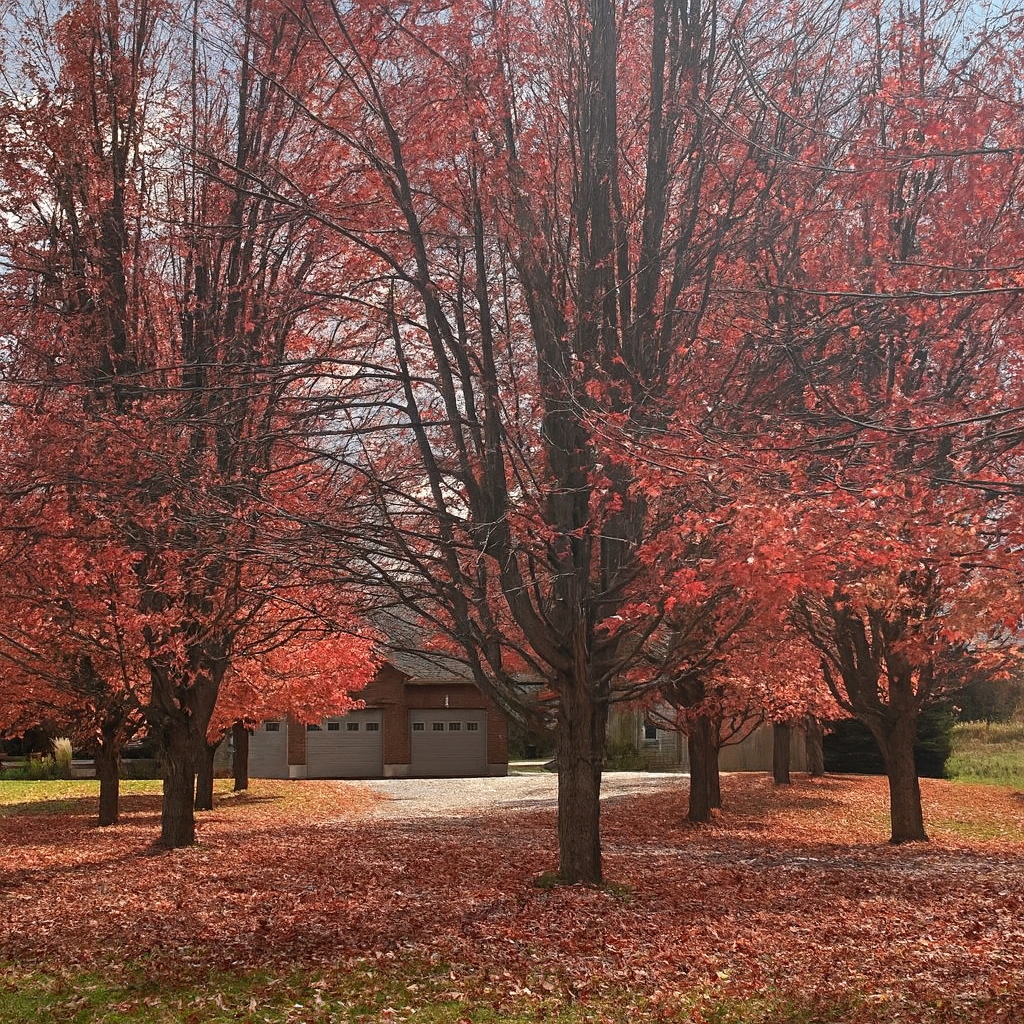
In this same ancient rhythm, I now live a simple life at a Theravāda hermitage in the City of Kawartha Lakes, surrounded by forest and stillness.
My days revolve around meditation, study, and the humble rhythm of alms and service. Devotees visit the hermitage to offer food, seek blessings, or discuss the Dhamma. These meetings are brief yet deeply human — moments of mutual reverence for the path of peace and wisdom.
Several times a week I travel to the Wutai Shan Buddhist Garden in Cavan Monaghan. There, I conduct alms rounds, lead meditation sessions, and teach at the Buddhist College of Canada. At times I perform rituals or blessings for those in need of spiritual refuge — always within the framework of the Vinaya, the discipline established by Gautama Buddha.
The outward activities balance the inward cultivation: long hours of meditation, scriptural study, and writing to preserve and share the Dhamma.
This quiet cycle — between solitude and service, between forest and community — sustains the same ancient current of liberation.
The Heart of Monastic Practice
To live as a bhikkhu is to withdraw steadily from the world’s economy of craving, distraction, and possession.
The Vinaya and daily discipline are not restrictions but instruments of freedom.
By relinquishing ownership and self-identity, the mind becomes lighter, clearer, and capable of profound concentration.
Solitude is not isolation; it is purification — a return to the inner stillness where liberation unfolds. Through mindfulness and meditative absorption, the bhikkhu turns from the outer world of forms toward the inner dimension of truth.
From that stillness arises compassion — not as emotion, but as radiant clarity that wishes all beings to be free.
True service does not come from activity but from purity of mind: a peaceful consciousness that silently blesses all who come near.
The Purpose of This Life
The life of a Theravāda monk is a living continuation of Gautama Buddha’s order — a lineage of renunciants devoted to freedom from the world.
Its goal is not merely to escape pain, but to transcend the entire field of worldly existence.
Every day — from alms-round to meditation, from silence to teaching — is a small enactment of the universal law of liberation.
It is a life of few needs, simple joys, and unwavering purpose: the cultivation of purity, wisdom, and compassion, leading beyond the world toward Nibbāna-dhātu, the Deathless.
A Living Continuity
Though I now live in Canada — far from the forests of ancient Magadha — the same Path of Liberation (Majjhimā Nissaraṇa) remains open and unchanged.
The forest hermitage, the alms round, the training in Sīla–Samādhi–Paññā — these are not relics of history but living mechanisms of transcendence.
They operate under the same cosmic law that Gautama Buddha rediscovered twenty-six centuries ago:
withdrawal from the world, lifting beyond the sensory field, and realization of the exit that leads to Vimutti (liberation) and Nibbāna-dhātu (the Deathless realm).
Thus even in this modern age, the bhikkhu’s life stands as a bridge between worlds — a reminder that peace is not achieved by reforming the world, but by transcending it.
Whether in the forests of India or the pines of Kawartha Lakes, the hermitage remains the same doorway — leading beyond the cosmos itself, into the timeless refuge of the liberated mind.
 Gautama Dhamma
Leave a comment