
What happened in ancient Vesālī still echoes today: the struggle to keep Vinaya pure amidst wealth, comfort, and convenience. The Second Council shows us why renunciation must remain uncompromising if the path is to stay open.
🌿 The Second Council: Ancient Lessons for Today’s Monasteries 🌿
A century after the Buddha’s Parinibbāna, the Saṅgha faced a crisis. In the wealthy city of Vesālī, monks began relaxing the rules — storing salt, handling money, eating at improper times. Small things, defended as “practical.”
But the elders saw the danger. These were not harmless conveniences. They were cracks in the foundation of renunciation. Vinaya had been given not to regulate monks like a constitution, but to pull the mind out of the world — to protect the path of transcendence.
At the Second Council, seven hundred monks gathered and reaffirmed the discipline. Their stand was not about salt or coins. It was about purity or decline. Without Vinaya, the Saṅgha would become just another institution of the world.
✨ The lesson still speaks to us today. Urban monasteries face the same temptations: money, technology, convenience, social adaptation. Always justified, always defended — but always a step back toward the world.
The Buddha’s Middle Way was never about compromise. It was about transcendence: not affirming the world through indulgence, not rejecting it through self-harm, but rising above it.
The danger to the Saṅgha is not persecution from outside, but compromise from within.
👉 Read the full reflection here:
Vinaya was not given to regulate monks like a constitution. It was given to pull the mind out of the world.
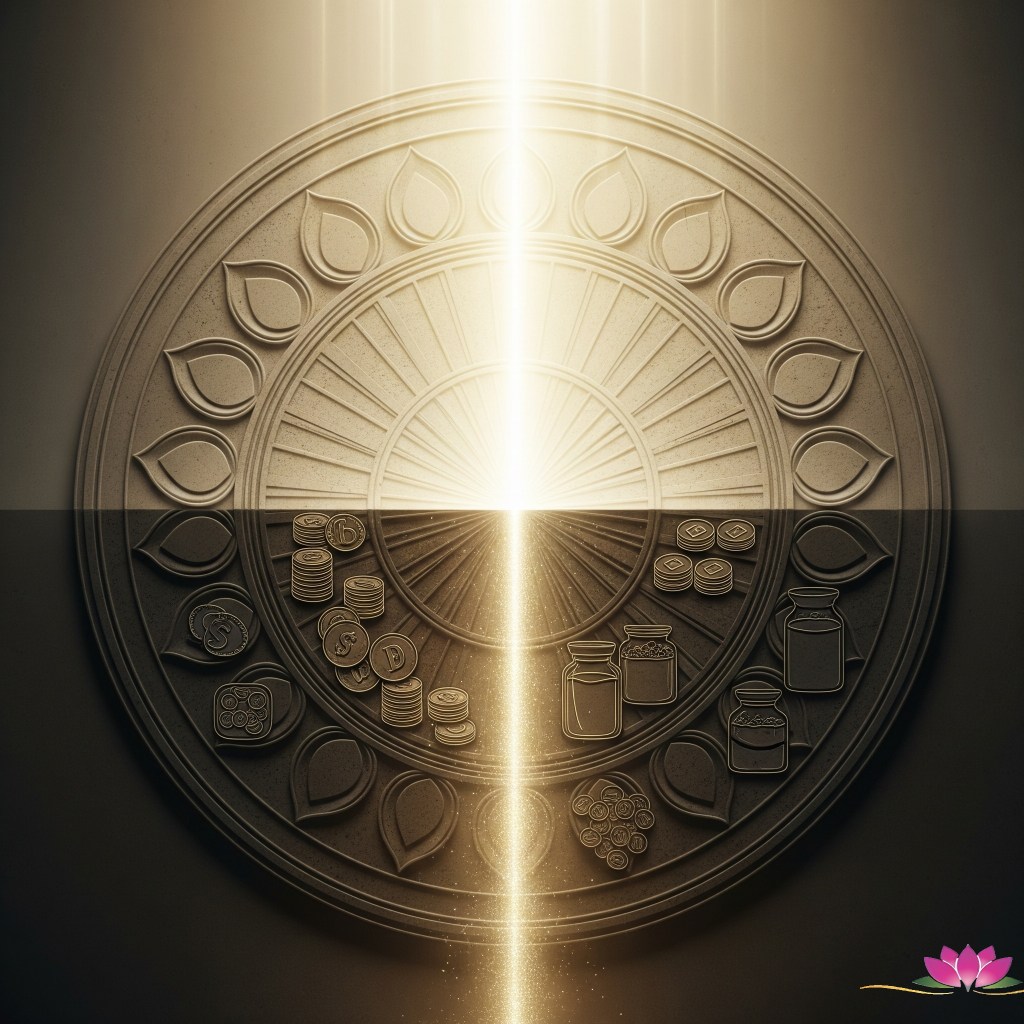
A Century After the Buddha
A hundred years had passed since Gautama Buddha’s Parinibbāna. His disciples had carried the Dhamma and Vinaya across northern India. The Saṅgha grew in numbers and reputation, supported by kings, merchants, and ordinary layfolk.
But with time came pressures of prosperity. The founding generation of arahants was gone. The fire of raw renunciation began to cool. In cities, monks encountered wealth, generosity, and convenience. Small compromises crept in — always practical, always defended as harmless.
The crisis of Vesālī brought these tensions into the open.
Vesālī: A Prosperous Republic
Vesālī was no forest hermitage. It was a thriving Licchavi republic, famous for its fertile land and bustling trade routes. Merchants and artisans crowded its streets. Gardens, lotus ponds, and luxury abounded. It was one of the wealthiest cities of ancient India.
Here, the Saṅgha lived not only among farmers and villagers, but in the midst of commerce and civic prosperity. Daily exposure to wealth and abundance made the rules of radical renunciation feel less urgent. After all, why not adapt a little?
The Ten Points
A group of Vesālī monks began to relax discipline. They allowed what became known as the Ten Points:
- Storing salt in a horn.
- Eating after noon.
- Accepting gold and silver.
- Drinking palm-wine.
- Using luxurious mats.
(and others in the same spirit).
To outsiders, these seemed trivial. But to the elders, they were dangerous. Each was a small step back into the world.
The Vinaya was not meant to regulate monks for order’s sake. It was meant to cut ties to the world. Storing food, handling money, indulging small comforts — these were not neutral. They were signs of the citta turning back toward attachment.
The danger to the Saṅgha is not persecution from outside, but compromise from within.

The Second Council
Alarmed, the elders convened the Second Council at Vesālī. Seven hundred monks gathered to decide.
The Council examined each of the Ten Points and ruled them all invalid. The message was clear: Vinaya must remain intact. The Saṅgha’s purpose was not to adapt to prosperity but to stand apart as a path of transcendence.
This reaffirmation was not rigidity. It was fidelity. The Middle Way, as the Buddha had taught, was not compromise between indulgence and austerity. It was transcendence of the world — a disciplined freedom beyond both.
Division and Fragility
Yet not all accepted the verdict. The Vesālī monks defended their practices. Tensions grew. Out of this dispute came the first great division in the Saṅgha:
- The Sthaviras (Elders), who insisted on stricter Vinaya.
- The Mahāsaṅghikas (Great Community), who leaned toward leniency.
The Council preserved discipline, but it also revealed the fragility of unity. From here, the Saṅgha’s history would branch into many schools, each with its own interpretation of Vinaya.
The Deeper Meaning of Vinaya
Why did such small rules matter?
Because Vinaya is not about bureaucracy. It is about training the citta for transcendence.
- To eat only before noon weakens attachment to pleasure.
- To refuse money keeps the Saṅgha free from worldly power.
- To live with few possessions protects the mind from pride and distraction.
Every rule is a rung on the ladder out of saṃsāra. Remove enough rungs, and the ladder collapses.
At Vesālī, small relaxations — storing salt, handling money — became cracks in the foundation of renunciation.

Shamanic Fire, Brahmanic Purity
The crisis also revealed the Saṅgha’s two inheritances:
- From the Śramaṇa (shamanic) tradition came wandering, tapas (austerity), and psychic powers.
- From the Brahmanic tradition came restraint, wisdom, and the purity of brahmacariya.
Both pointed beyond the world. Both demanded renunciation.
The monks of Vesālī, in softening Vinaya, abandoned not only the Buddha’s Middle Way but the very spirit of both heritages. What remained risked becoming merely a religious institution — respected in society, but no longer a path of transcendence.
Lessons for Today’s Sangha
The story of Vesālī is not ancient history. It is today.
Modern urban monasteries face the same temptations:
- Handling money.
- Eating outside the alms round.
- Adapting rules to please lay supporters.
- Becoming cultural or social centers instead of radical vehicles of liberation.
Each step is defended as practical. Each is justified as harmless. But each draws the Saṅgha deeper into the world it is meant to transcend.
The danger is not just persecution from outside. The danger is compromise from within.
The Buddha’s Middle Way was never about compromise. It was about transcendence.

Conclusion: Fidelity or Decline
The Second Council reminds us: the survival of the Saṅgha depends not on kings, wealth, or social relevance, but on fidelity to Vinaya.
The Buddha did not give Vinaya to make monks orderly. He gave it to make them free from worldly entanglement. To protect the citta from the pull of the world. To safeguard the path from nibbidā → virāga → vimutti → Nibbāna-dhātu.
At Vesālī, the elders saw that even small relaxations could destroy this purpose. Their stand was not about mats, salt, or coins. It was about purity or decline.
The lesson still stands: when the Saṅgha holds Vinaya, it remains the living embodiment of transcendence. When it loosens Vinaya, it risks becoming just another institution of the world.

The Second Council: safeguarding Vinaya against the pull of the world.
 Gautama Dhamma
Leave a comment