
By Bhante Mudita
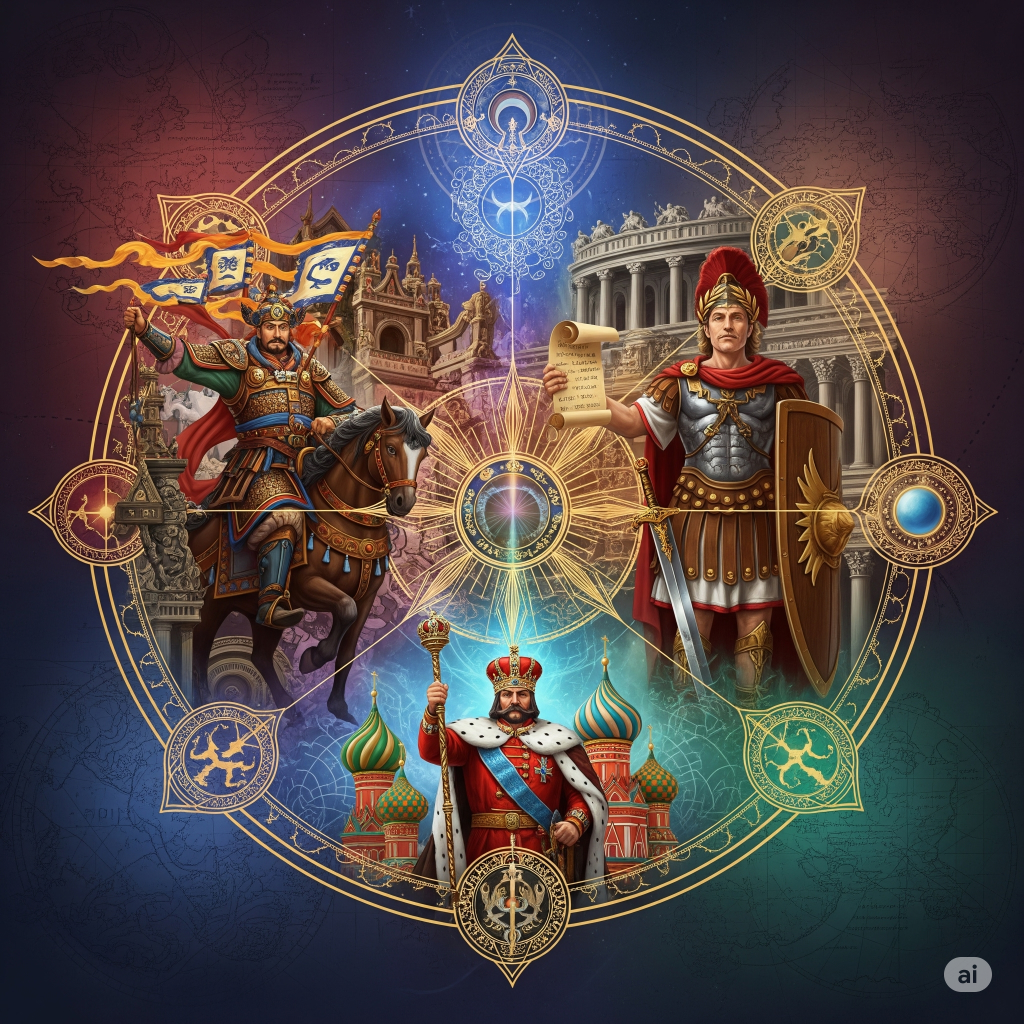
Throughout history, myth and fact often intertwine, leaving behind traces of archetypal patterns hidden in language, legend, and titles. One fascinating thread connects Gesar of Tibet, Julius Caesar of Rome, and the Czars of Russia—hinting at a shared, hidden lineage of the “world-king” archetype that spans millennia.
“Gesar, Caesar, Czar: three names, one archetype of leadership, mythic power, and human aspiration across millennia.”
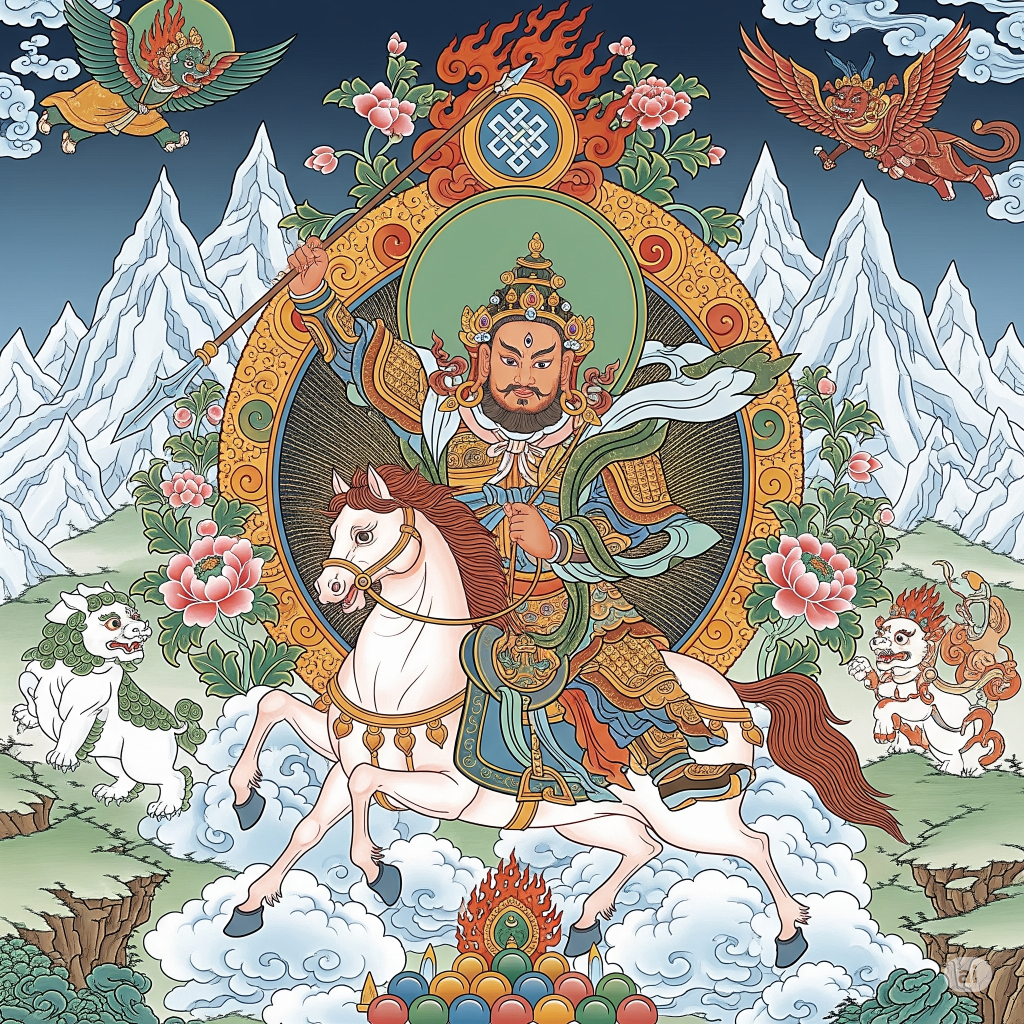
1. Gesar: The Epic Hero of Tibet
The Epic of King Gesar (གེ་སར་) tells the story of a hero-king born of divine lineage, endowed with extraordinary abilities, and tasked with defending his people against cosmic and earthly threats.
Key Traits of Gesar:
- Battles demons and conquers spiritual and earthly realms
- Wields supernatural powers to maintain cosmic order
- Embodies courage, wisdom, and divine legitimacy
Gesar is more than a myth; he represents the archetypal hero-king, whose story encodes timeless lessons about leadership, courage, and spiritual authority.
2. Caesar: Rome’s Legendary Ruler
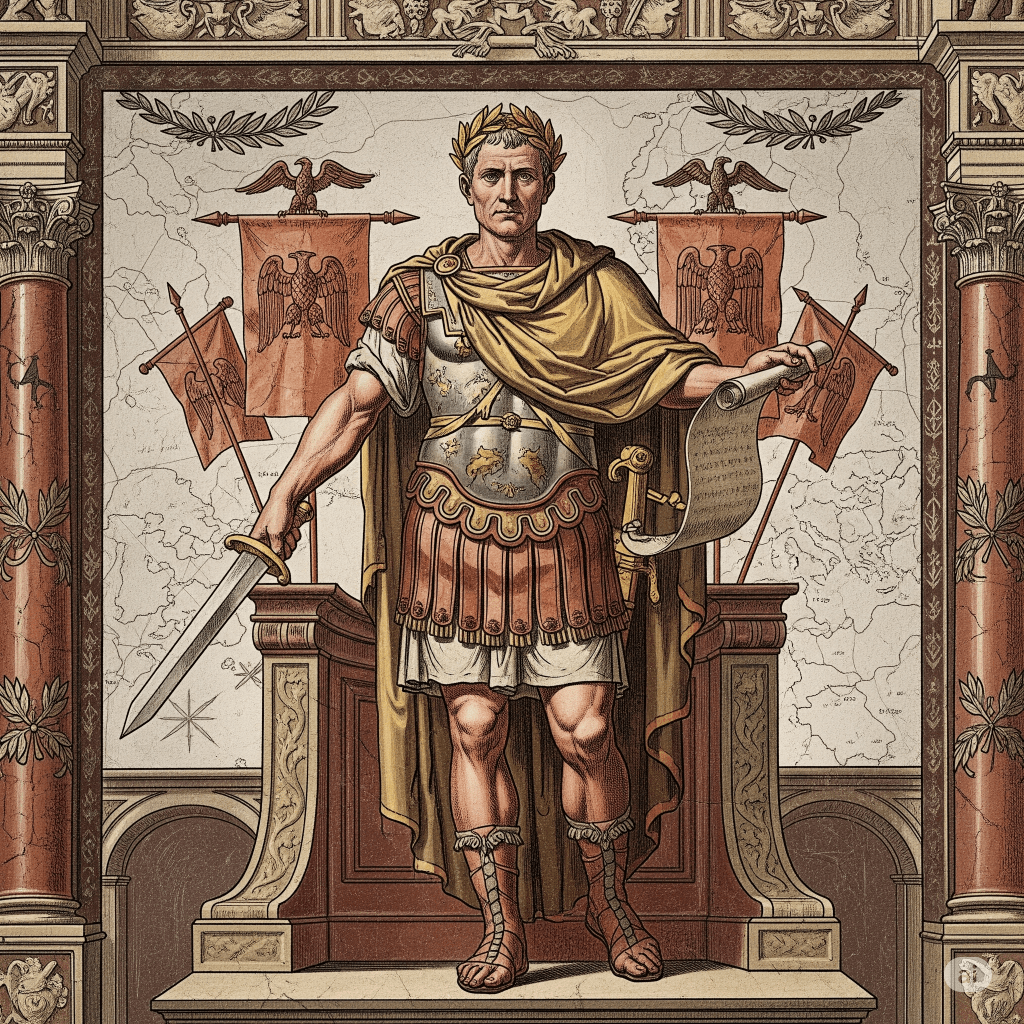
The name Caesar, most famously borne by Gaius Julius Caesar, evolved into a title representing supreme authority in Rome.
In the tales of Gesar and the annals of Rome, we glimpse the same patterns of heroism, conquest, and divine sanction.”
Why the Connection Matters:
- Linguistic echoes suggest a shared root: Gesar → Caesar → Czar
- Caesar’s historical feats—military genius, political charisma, and symbolic authority—mirror Gesar’s heroic and divine qualities
- Caesar embodies the archetype in historical reality, transmitting authority and wisdom through governance and conquest
3. Czar: Russia’s Divine Monarchs
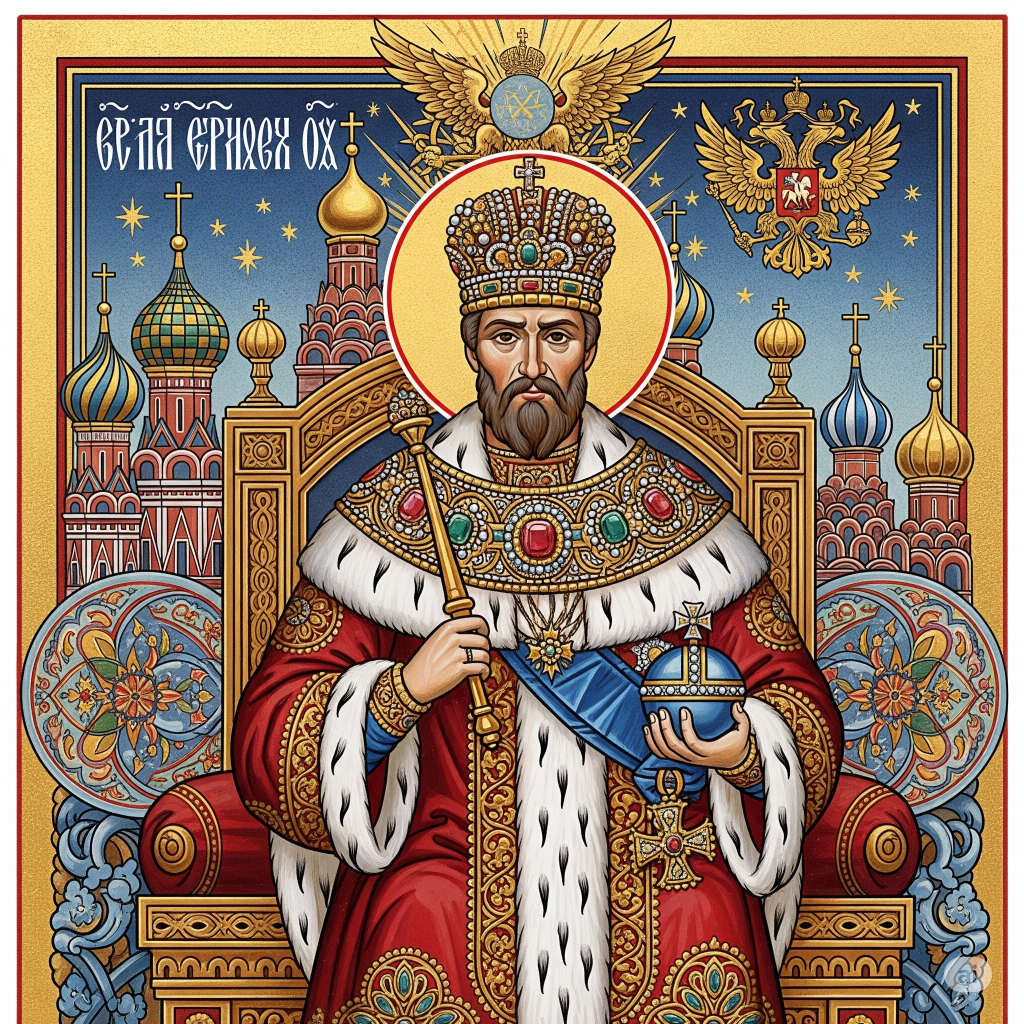
The Russian title Czar (Tsar) continues the archetypal pattern: supreme power, divine sanction, and cosmic legitimacy.
Czar as Archetype:
- Mediates between heaven and earth
- Maintains sacred authority and social order
- Preserves symbolic continuity of the world-king archetype
4. Hidden History and Esoteric Connections
The Gesar–Caesar–Czar thread reveals a lost, trans-regional lineage of rulership and wisdom:
| Archetype | Form | Function |
|---|---|---|
| Gesar | Mythic hero | Preserves archetypal memory |
| Caesar | Historical ruler | Embodies the archetype in reality |
| Czar | Symbolic monarch | Transmits sacred authority across cultures |
This continuity suggests that the “world-king” archetype transcends cultures, languages, and historical periods, offering insight into human consciousness and governance.
5. Why This Matters
Exploring these connections is not just historical curiosity—it illuminates enduring patterns of human aspiration:
- Courage and leadership beyond ordinary limits
- Harmonization of worldly and spiritual order
- Access to hidden knowledge and higher wisdom
Visual suggestion: A timeline graphic spanning Tibet → Rome → Russia, showing key traits and symbols of each ruler.
Readers are invited to consider how myths, titles, and archetypes encode the sacred patterns of human civilization.
6. Conclusion: Investigating Hidden History
The Gesar–Caesar–Czar lineage opens a portal into a hidden history of rulership, wisdom, and human potential. By studying these archetypes, we may glimpse the continuity of consciousness and sacred knowledge preserved across time.
“History is not linear; it spirals, folding myth into reality, revealing hidden connections between distant cultures.”
Further Exploration for Curious Readers
- Linguistics: Study the Indo-European roots of “Gesar/Caesar/Czar”
- Tibetan Mythology: Dive into the Epic of King Gesar
- Esoteric History: Investigate archetypal rulers in myths worldwide
- Comparative Symbolism: Observe recurring motifs of divine kingship and cosmic order
Treat history as a living archetype—where myth, consciousness, and human potential converge.
 Gautama Dhamma
Leave a comment