
Wutai Shan Forest Meditation Retreat Center Plan Draft
🏡 总体构想
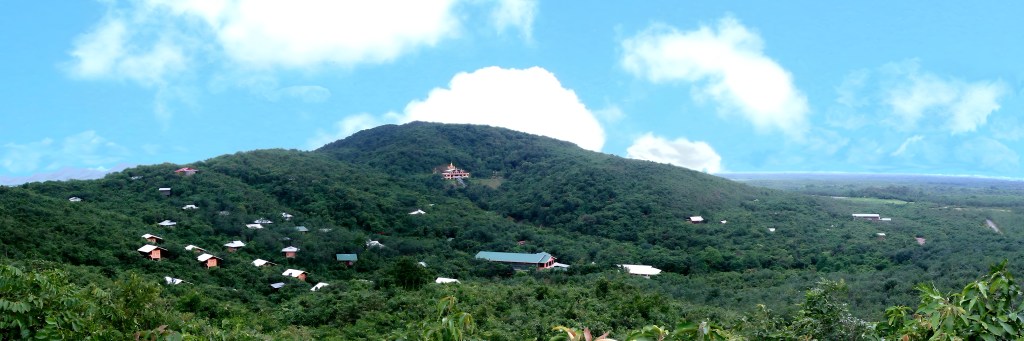
地点: 普贤广场旁边树林地带,以求僻静与安宁。
主题: 简约、环保、利于冥想的建筑风格。
风格: 木屋/原木房美学;天然材料;无不必要的奢华。
目的: 短期住宿式冥想静修,侧重于正念 (Kāyagatāsati)、 禅定 (Samadhi)。
适当收费。
🛖 1. 冥想者小屋 (x10~20)
“原木房”或“迷你小屋”(单人)
每间小屋都提供隐私、简洁和理想的静修条件。
🔹 布局: 面积: 约 11–14 平方米
设计: 一室木屋,包含:
- 床或日式床垫
- 书桌 + 坐垫 + 小型祭坛/置物架
- 用于自然采光的窗户
- 被动式通风
- 无独立卫生间(使用中央设施),无供暖(或者使用传统壁炉,木炭?)
- 太阳能阅读灯(太阳能板)
🔹 位置:
- 间隔合理,以保证安静和隐私(约 20–30 米间距)
- 沿自然林间小径设置
- 每间小屋都有通往服务中心的独立小径
🧘 2. 中央服务中心
静修营的公共核心:支持实际需求和团体练习。
🌿 主要区域:
| 功能 | 描述 |
| 佛堂/法堂 | 冥想大厅(可容纳 20+ 人),用于: • 每日诵经和坐禅 • 佛法开示 • 团体冥想 • 面谈(可选区域,透明玻璃,用于一对一) |
| 斋堂 | 设有桌椅的简约大厅,用于托钵或静默用餐 |
| 茶水间 | 冷/热水龙头用于灌装保温瓶;过滤水;饮水机 |
| 淋浴间 | 公共淋浴间(3–4 个隔间,按时间表分性别或不分性别) |
| 卫生间 | 共 4–6 个,化粪池 |
| 储藏室 | 存放物资、清洁用品、备用坐垫等 |
设计建议:1)开放式或半开放式走道 2)使用天然材料(竹、石、木)3强调被动式制冷/供暖
3. 中式凉亭 – 具传统东亚美学的露天会议与声音冥想空间
名称: 声音冥想亭 / 团体集会平台
风格: 四面敞开,青瓦飞檐,木柱,石质或夯土 Flooring
容量: 可容纳约 20-40 人就座
功能:
- 声音冥想(例如:颂钵)
- 团体分享会或户外佛法开示
- 小型诵经会
- 遮风避雨的静心活动或气功练习空间
位置: 靠近服务中心但视觉上独立;四周环绕开花乔木
🪵 4. 附加特色 – 可选增设:
- 行禅小径: 穿梭于森林中的土路或木质平台。
- 钟鼓楼: 用于提示活动开始。
- 雨水收集系统: 可持续水资源利用。
- 堆肥厕所: 用于生态卫生。
- 冥想者花园: 宁静、沉思的药草园或岩石园。
🌐 命名与沟通 – 建议命名规范:
- 小屋: “Citta Kuti”、“Paṭipadā Hut”,或者汉传佛教相关名字
- 服务中心: “Dhamma Vihāra”或“中心大殿 (Central Sālā)”
- 大厅: “佛堂 (Shrine Hall)” / “法堂 (Dhamma Sālā)”
🧭 区域划分与流线设计
- 🟩 小屋: 围绕服务中心形成一个环形或分散的循环。
- 🔶 服务中心: 位于核心区域。
- ➰ 行禅小径: 蜿蜒穿梭其间。
- 🚫 车辆: 仅限于入口停车区。
- 🪷 噪音缓冲: 在活动区和睡眠区之间设置灌木、自然土坡等。
🌱 分期建设方案
🛠️ 施工注意事项 1)预制木屋: 套件或平板式预制木屋可降低成本和缩短工期。 2)许可/公用设施检查: 确保化粪池、灰水和分区符合规范。 3) 低环境足迹: 高架式小屋(桩基)可最大程度减少对地面的扰动。
🧘♂️ 使用场景:
- 1 日团体静修
- 3–10 日个人静修
- 导师指导的冥想课程
半年或长期常驻修行者模式(适用于长期瑜伽士)
Wutai Shan Forest Meditation Retreat Center Plan Draft
🏡 General Concept
- Location: Forested land near Pu Xian square for seclusion and silence.
- Theme: Simple, eco-friendly, meditative architecture.
- Style: Wooden cabin/log-room aesthetic; natural materials; no unnecessary luxury.
- Purpose: Residential meditation retreats, focused on mindfulness (Kāyagatāsati), samādhi, and liberation.
🛖 1. Meditator Cabins (x10-20)
“Log room” or “Tiny Home Cabin” (single-person)
Each cabin offers privacy, simplicity, and ideal retreat conditions.
🔹 Layout:
- Size: 11–14 sqm
- Design: One-room wooden cabin with:
- Bed or futon
- Desk + cushion + small altar/shelf
- Windows for natural light
- Passive ventilation
- No bathroom (uses central facility),
- Tradition fireplace, wood, charcoal?
- Solar-powered reading light
🔹 Placement:
- Well-spaced for silence and privacy (~20–30 meters apart)
- Set along natural forest paths
- Each with own path to the Service Center
🧘 2. Central Service Center
The communal heart of the retreat: supports practical needs and group practice.
🌿 Main Zones:
| Function | Description |
| Shrine Hall / Dhamma Hall | Meditation hall (can seat 20+) for: • Daily chanting & sitting • Dhamma talks • Group meditation • Interviews (optional screen or small kuti for one-on-one) |
| Dining Room | Simple hall with tables & benches for almsgiving, silent eating |
| Pantry & Kitchenette | Basic prep area for hot water, tea, simple meals (not full kitchen) |
| Water Station | Hot/cold water taps for filling thermos; filtered water; urn |
| Shower Room | Shared showers (3–4 stalls, gender-separated or unisex by schedule) |
| Toilets | 4–6 total, septic tank |
| Storage | Supplies, cleaning, extra cushions, etc. |
Design Tips:
- Open-air or semi-outdoor walkways
- Use natural materials (bamboo, stone, wood)
- Emphasize passive cooling/heating
- Solar-powered if off-grid
3. Chinese-Style Pavilion
Open-air meeting & sound meditation space with a traditional East Asian aesthetic
- Name: Sound Meditation Pavilion / Group Meeting Patio
- Style: Open-sided with tiled roof, wooden posts, stone or earthen flooring
- Capacity: ~20-40 people seated
- Functionality:
- Sound-based meditations (e.g. singing bowls)
- Group sharing circles or outdoor Dhamma talks
- Small musical or recitation sessions
- Rain/sun-protected space for mindful movement or Qi practices
- Placement: Near the Service Center but visually distinct; surrounded by flowering trees
🪵 4. Additional Features
Optional Enhancements:
- Walking Meditation Paths: earthen paths or wooden decks looping through forest
- Bell or Drum Tower: to signal sessions
- Rainwater Collection System: sustainable water use
- Compost Toilets: for ecological sanitation
- Meditator Garden: silent, contemplative herb or rock garden
🌐 Naming & Communication Suggested Naming Conventions:
- Cabins: “Citta Kuti,” “Paṭipadā Hut,” or Chinese Buddhism style
- Service Center: “Dhamma Vihāra” or “Central Sālā”
- Hall: “Shrine Hall” / “Dhamma Sālā”
🧭 Zoning & Flow Design
- 🟩 Cabins form a ring or scattered loop around the Service Center
- 🔶 Service Center at core
- ➰ Walking paths wind gently through
- 🚫 Vehicles restricted to entry parking area
- 🪷 Noise buffers (shrubs, natural berms) between activity and sleeping zones
🌱 Phasing Option If building gradually:
- Phase 1: Build Service Center + 4 cabins
- Phase 2: Add remaining 6 cabins, walking paths
- Phase 3: Add shrine hall enhancements, rain collection, solar system
🛠️ Construction Notes
- Prefab log cabins (kit or flatpack) may reduce costs and timelines.
- Permit/utility check: Ensure code compliance for septic, gray water, and zoning.
- Low footprint: Raised cabins on stilts minimize ground disturbance.
🧘♂️ Use Scenarios:
- 1-day group retreats
- 3–10 day self-retreats
- Teacher-led meditation courses
- Year-round resident practitioner model (for long-term yogis)
 Gautama Dhamma
Leave a comment