
“只有从灭的随观才可以引心向灭,体验无所能住,关注每个看到的思维的结束。那个只能等到心可以自动导向诸法骤灭的情况下才可以看到灭界。”
The term “nirodha” means cessation or extinction 灭, and “dhatu” means element or realm 界.
Nirodha is often associated with the cessation of craving and desire, which is the third of the Four Noble Truths. It signifies the end of suffering (dukkha) when craving and desire are renounced. The Buddha taught that this can be achieved through the right actions and effort. Some claim that the attainment of nirodha 灭 of the mind 心 leads to the realization of Nibbana (Nirvana) 涅槃, a state 状态 of perfect peace 平静 and freedom from suffering 不苦, and also a path to enlightenment and the cessation of suffering 开悟和苦灭之道.
The Four Noble Truths are: 四圣谛
The truth of suffering (Dukkha) 苦 / 不完美 vs. 不老,不死,永生,永恒
The truth of the origin of suffering (Samudāya) 苦之因
The truth of the cessation of suffering (Nirodha) 苦灭
The truth of the path to the cessation of suffering (Magga) 苦灭之道
This path of practice is also well supported by the tradition. That’s why in order to discover the true meaning behind any subject, it is sometimes necessary to unlearn what has been taught.
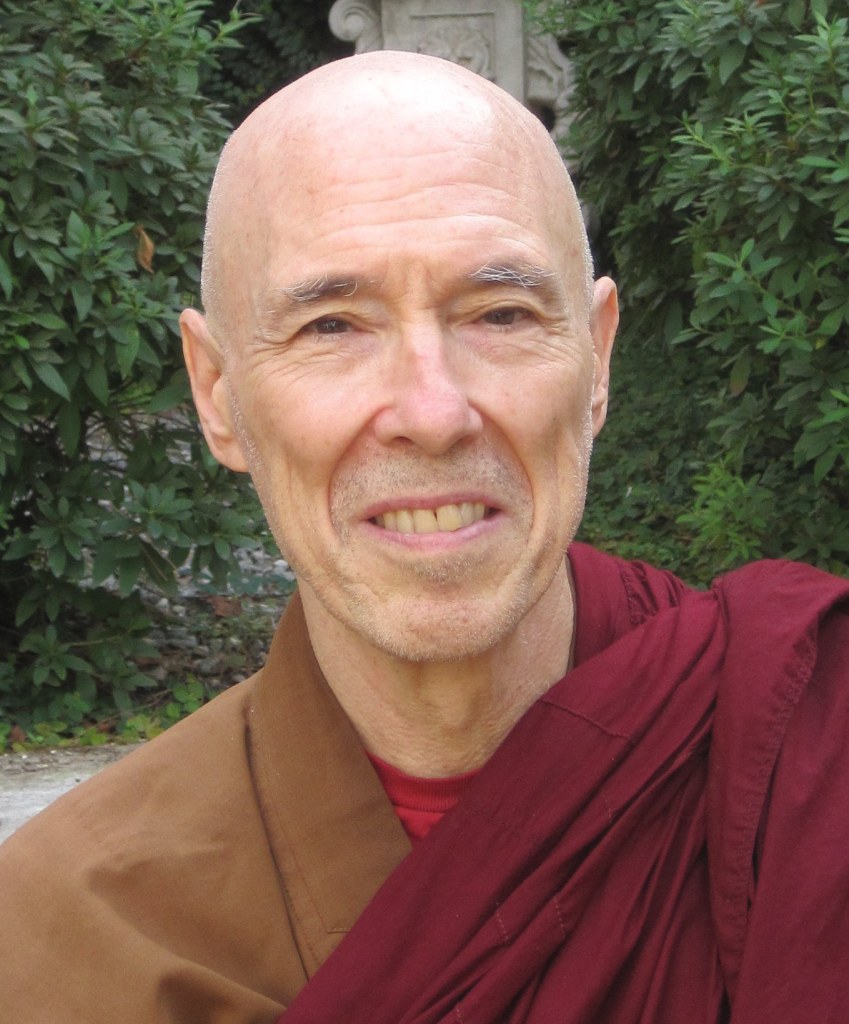
Bhikkhu Bodhi Describes the Divergence Within the Theravada Tradition Regarding the Understanding of Nibbana
Video: Bhikkhu Bodhi on Nibbana as Unconstructed
The video discusses the concept of Nibbana, the unconditioned state in Buddhism, and the different interpretations of its nature. Some Buddhists believe Nibbana is simply the cessation of existence after the destruction of greed, hatred, and delusion. However, the mainstream (or orthodox) Theravada tradition views Nibbana as an unconditioned reality, a state of liberation that exists beyond the realm of conditioned existence. Bhikkhu Bodhi expresses his personal view that Nibbana is an unconditioned reality, citing suttas that describe it using terms like “Dhamma,” “element,” “deathless state,”(see 35 characteristics of Nibbana) and based on such description, it doesn’t make sense to view Nibbana just the ending of everything.
涅槃的35个特性 35 Characteristics of Nibbana (SN 43.44):
- 无为(Asaṅkhata,unconditioned)
- 无量(Ananta, infinite)
- 无染(anāsava, taintless, undefiled),
- 真理/真实(Sacca, truth)
- 彼岸(pāra, beyond)
- 圆满(nipuṇa, perfect)
- 难见(sududdasa, difficult to see);
- 不老(Ajajjara, undecaying)
- 恒常(dhuva, permament)
- 不溃apalokita (undisintegrating),
- 非显(Anidassana, non-manifestive)
- 无碍(nippapañca, free from diffuseness)
- 平静(santa, calmed).
- 不死(Amata, deathless)
- 胜妙(paṇīta, sublime)
- 吉祥(siva, auspicious)
- 安稳(khema, haven),
- 爱尽(Taṇhākkhaya, the end of craving)
- 希有(acchariya, wonderful)
- 稀罕(abbhuta, marvellous);
- 无害(Anītika, free from harm)
- 不苦(anītikadhamma, free from defilements),
- 涅槃(Nibbāna, unbinding)
- 极乐(Sugata, blissful)
- 指明(desita, shown, given).
- 无恼(Abyābajjha, unafflicted)
- 离欲(virāga, dispassioned),
- 清净(Suddhi, purified)
- 解脱(mutti, liberated)
- 不执(anālaya, free from attachment);
- 洲岛(Dīpa, island)
- 洞窟(leṇa, refuge)
- 庇护(tāṇa, protection),
- 皈依(saraṇa, take refuge with)
- 归宿(parāyana, final destination).
“All things in this world are subject to the natural processes of degeneration and decay, including the teachings of Buddha’s Dhamma.”
SN 16.13. The Counterfeit 仿造的,假冒的 of the True Dhamma 法
Saddhammappatirūpaka sutta
Thus have I heard. On one occasion the Blessed One was dwelling at Savatthī in Jeta’s Grove, Anathapiṇḍika’s Park. Then the Venerable Mahakassapa 大迦叶 approached the Blessed One, paid homage to him, sat down to one side, and said to him:
“Venerable sir, what is the reason, what is the cause, why formerly there were fewer training rules 戒律 but more bhikkhus were established in final knowledge 确立最终的解脱智, while now there are more training rules but fewer bhikkhus are established in final knowledge?”
“That’s the way it is, Kassapa. When beings are deteriorating and the true Dhamma is disappearing there are more training rules but fewer bhikkhus are established in final knowledge. Kassapa, the true Dhamma 正法 does not disappear so long as a counterfeit 仿造的,假冒的 of the true Dhamma has not arisen in the world. But when a counterfeit of the true Dhamma arises in the world, then the true Dhamma disappears.
“Just as, Kassapa, gold 黄金 does not disappear 消失 so long as counterfeit 仿造的 gold 金 has not arisen in the world, but when counterfeit gold arises then true gold disappears, so the true Dhamma does not disappear so long as a counterfeit of the true Dhamma has not arisen in the world, but when a counterfeit of the true Dhamma arises in the world, then the true Dhamma disappears.
“It is not the earth element, Kassapa, that causes the true Dhamma to disappear, nor the water element, nor the heat element, nor the air element. It is the senseless 无理性的 people 人 who arise right here who cause the true Dhamma to disappear 正法消失.
“The true Dhamma does not disappear all at once in the way a ship sinks. There are, Kassapa, five detrimental 有害的;不利的 things that lead to the decay and disappearance of the true Dhamma. What are the five? Here the bhikkhus, the bhikkhunīs, the male lay followers, and the female lay followers dwell without reverence 尊敬 and deference 遵从 towards the Teacher 师; they dwell without reverence and deference towards the Dhamma 法; they dwell without reverence and deference towards the Saṅgha 僧团; they dwell without reverence and deference towards the training 培训; they dwell without reverence and deference towards concentration (samādhi 定). These, Kassapa, are the five detrimental things that lead to the decay and disappearance of the true Dhamma.
“There are five things, Kassapa, that lead to the longevity of the true Dhamma, to its nondecay and nondisappearance. What are the five? Here the bhikkhus, the bhikkhunīs, the male lay followers, and the female lay followers dwell with reverence and deference towards the Teacher; they dwell with reverence and deference towards the Dhamma; they dwell with reverence and deference towards the Saṅgha; they dwell with reverence and deference towards the training; they dwell with reverence and deference towards concentration. These, Kassapa, are the five things that lead to the longevity of the true Dhamma, to its nondecay and nondisappearance.”
 Gautama Dhamma
Leave a comment