
The First Three discourses given by Gautama Buddha at the beginning of his ministry: the Dhamma Cakka Pavattana Sutta 转法轮经 (SN 56:11), the Anatta Lakkhaṇa Sutta 五蕴-非我-相-经(旧译 无我相经)(SN 22:59), and the Āditta pariyāya Sutta 燃烧经(SN 35:28).
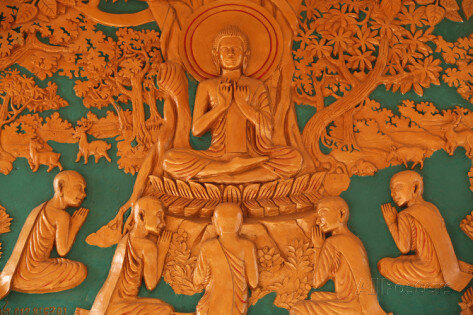
SN 22.59 Anatta Lakkhaṇa Sutta 五蕴-非我-相-经(旧译 无我相经)
如是我闻。有一次,世尊住在波罗奈(Bārāṇasī)鹿野苑的仙人降临处(Isipatana)。在那裡,世尊召唤五比丘:“比丘们!”“尊师!”那些比丘回答。世尊说:
“比丘们!色(rūpa)非我(anatta, nonself)。比丘们!因为,如果色是我,色不应导致病苦,也应能对色发愿:‘我的色要这样;我的色不要这样。’但是,比丘们,因为色非我,因此,色导致病苦,也不能对色发愿:‘我的色要这样;我的色不要这样。’
比丘们!受(vedanā, Feeling)非我…… 想(sañña, Perception)非我…… 行(saṅkhāra, Volitional formations)非我…… 识(viññāṇa, Consciousness)非我。比丘们!因为,如果识是我,识不应导致病苦,也应能对识发愿:‘我的识要这样;我的识不要这样。’但,比丘们!因为识非我,因此,识导致病苦,也不能对识发愿:‘我的识要这样;我的识不要这样。’
“比丘们!你们认为色是常的,还是无常的呢?”“无常的,尊师!”“无常的是苦的还是乐的?”“苦的,尊师!”“如此无常的、苦的、变易的,你们能认为:‘这是我的,我是这个,这个是我’吗?”“不能,尊师!”“你们认为受是常的,还是无常的呢?…… 你们认为想是常的,还是无常的呢?…… 你们认为行是常的,还是无常的呢?……你们认为识是常的,还是无常的呢?”“无常的,尊师!”“无常的是苦的还是乐的?”“苦的,尊师!”“如此无常的、苦的、变易的,你们能认为:‘这是我的,我是这个,这个是我’吗?”“不能,尊师!”
“比丘们!因此,任何色,不论过去、未来、现在,或内、或外,或粗、或细,或下劣、或胜妙,或远、或近,所有色应该以慧被如实了知:‘这不是我的,我不是这个,这个不是我’。任何受…… 任何想…… 任何行…… 任何识,不论过去、未来、现在,或内、或外,或粗、或细,或下劣、或胜妙,或远、或近,所有识应该以慧被如实了知:‘这不是我的,我不是这个,这个不是我’。
“比丘们!如此了知,已受教导的圣弟子将出离(nibbinda, disenchantment) 于色,出离于受,出离于想,出离于行,出离于识;因出离心而生离欲(virāga, dispassionate, detached),因离欲而心解脱(vimuccati),因心解脱(vimutta) 而生解脱之智(ñāṇa), 他了知:‘生已尽,梵行brahmacariya已立,所作皆办,不再重复这样子’(‘此生已尽,梵行已立,所作皆办,不受后有’)。‘Destroyed is birth, brahmacariya has been fulfilled, what had to be done has been done, there is no more for thusness (Khīṇā jāti, vusitaṃ brahmacariyaṃ, kataṃ karaṇīyaṃ, nāparaṃ itthattāya).’”
这就是世尊所说,五比丘欢喜、愉悦世尊所说。当这个解说说完时,五比丘的心(citta, minds)不再执取五蕴而从诸染污中解脱。(anupādāya āsavehi cittāni vimucciṃsūti).
SN 22.59 Anatta Lakkhaṇa Sutta (Five Aggregates-Nonself-Sign Sutta)
Thus have I heard. On one occasion the Blessed One was dwelling at Bārāṇasī in the Deer Park at Isipatana. There the Blessed One addressed the bhikkhus of the group of five thus: “Bhikkhus!”
“bhante!” those bhikkhus replied. The Blessed One said this:
“Bhikkhus, form(rūpa) is nonself(anatta). For if, bhikkhus, form were self, this form would not lead to affliction, and it would be possible to have it of form: ‘Let my form be thus; let my form not be thus.’ But because form is nonself, form leads to affliction, and it is not possible to have it of form: ‘Let my form be thus; let my form not be thus.’
“Feeling(vedanā) is nonself…. … Perception(sañña) is nonself…. Volitional formations(saṅkhāra) are nonself…. viññāṇa Consciousness(viññāṇa) is nonself. For if, bhikkhus, consciousness were self, this consciousness would not lead to affliction, and it would be possible to have it of consciousness: ‘Let my consciousness be thus; let my consciousness not be thus.’ But because consciousness is nonself, consciousness leads to affliction, and it is not possible to have it of consciousness: ‘Let my consciousness be thus; let my consciousness not be thus.’
“What do you think, bhikkhus, is form permanent or impermanent?” – “Impermanent, bhante.” – “Is what is impermanent suffering or happiness?” – “Suffering, bhante.” – “Is what is impermanent, suffering, and subject to change fit to be regarded thus: ‘This is mine, this I am, this is my self’?” – “No, bhante.”
“Is feeling permanent or impermanent?… Is perception permanent or impermanent?… Are volitional formations permanent or impermanent?… Is consciousness permanent or impermanent?” – “Impermanent, bhante.” – “Is what is impermanent suffering or happiness?” – [68] “Suffering, bhante.” – “Is what is impermanent, suffering, and subject to change fit to be regarded thus: ‘This is mine, this I am, this is my self’?” – “No, bhante.”
“Therefore, bhikkhus, any kind of form whatsoever, whether past, future, or present, internal or external, gross or subtle, inferior or superior, far or near, all form should be seen as it really is with correct wisdom thus: ‘This is not mine, this I am not, this is not my self.’
“Any kind of feeling whatsoever … Any kind of perception whatsoever … Any kind of volitional formations whatsoever … Any kind of consciousness whatsoever, whether past, future, or present, internal or external, gross or subtle, inferior or superior, far or near, all consciousness should be seen as it really is with correct wisdom thus: ‘This is not mine, this I am not, this is not my self.’
“Seeing thus, bhikkhus, the instructed noble disciple experiences disenchantment(nibbinda) towards form, disenchantment towards feeling, disenchantment towards perception, disenchantment towards volitional formations, disenchantment towards consciousness. Experiencing disenchantment, he becomes dispassionate(virāga). Through dispassion [his mind] is liberated(vimuccati). When it is liberated(vimutta) there comes the knowledge(ñāṇa): ‘It’s liberated.’ He understands: ‘Destroyed is birth, brahmacariya has been fulfilled, what had to be done has been done, there is no more for thusness (this state of being) (Khīṇā jāti, vusitaṃ brahmacariyaṃ, kataṃ karaṇīyaṃ, nāparaṃ itthattāya).’”
That is what the Blessed One said. Elated, those bhikkhus delighted in the Blessed One’s statement. And while this discourse was being spoken, the minds (Citta) of the bhikkhus of the group of five were liberated from the taints (viraga) by nonclinging (from the five aggregates) (nibbida) (anupādāya āsavehi cittāni vimucciṃsūti).
 Gautama Dhamma
Leave a comment